


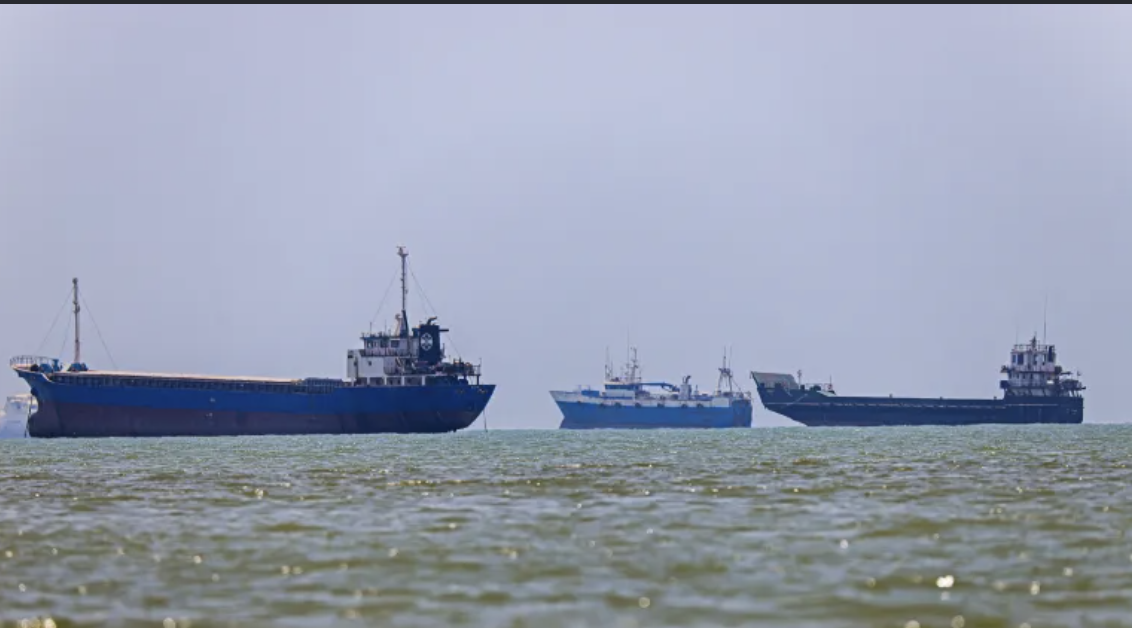
WASHINGTON — The United States has launched military strikes against targets in Iran following an Iranian drone attack on a commercial cargo vessel in the Strait of Hormuz, marking a sharp escalation in tensions across the Middle East and raising fresh concerns about global security and energy supplies.
According to U.S. officials, the strikes were carried out after intelligence assessments concluded that Iran was responsible for the attack on the cargo ship navigating one of the world’s busiest maritime trade routes. The U.S. military said the operation was intended to degrade Iran’s capability to launch additional attacks against international shipping while protecting freedom of navigation through the strategic waterway.
The Strait of Hormuz remains one of the most important energy corridors in the world, with a significant portion of global oil exports passing through the narrow channel each day. Any disruption to maritime traffic has the potential to affect fuel prices, supply chains, and financial markets worldwide.
Iran has strongly condemned the U.S. military action, describing it as an act of aggression while maintaining its own position regarding recent regional developments. Diplomatic efforts by several international partners are continuing behind the scenes in hopes of preventing a broader military confrontation that could draw additional countries into the conflict.
Global markets reacted cautiously as investors monitored developments throughout the day. Oil prices experienced early volatility before easing as shipping activity gradually resumed under increased naval protection. Governments across Europe, Asia, and the Middle East have urged restraint, calling on both Washington and Tehran to pursue diplomatic solutions instead of further military escalation.
Security analysts warn that while the immediate military operation may be over, the situation remains highly fluid. The coming days are expected to be critical as world leaders assess the consequences of the strikes and work to prevent another cycle of retaliation that could threaten regional stability and international commerce.