


Spain is in mourning after two high-speed passenger trains collided on Wednesday near the town of Urda in the province of Toledo, killing at least 64 people and injuring dozens more. Some outlets, including ABC News and CBS News, have reported a toll of at least 68, and officials have warned it could rise further.
It is the country’s deadliest rail disaster in more than a decade and the second major crash on Spain’s southern high-speed corridor this year.
What Happened Near Urda
The crash happened at about 8:30 a.m. local time on the Madrid–Seville high-speed line, between the towns of Mora and Orgaz in the Castilla-La Mancha region. Both trains were travelling south from Madrid towards Seville.
According to officials and survivor accounts, a train run by state operator Renfe, carrying 397 passengers, ploughed into the rear of a stationary train run by private operator Iryo, which had 146 people on board, including a baby. The impact knocked two coaches of the Iryo train off the track and down an embankment.
Regional officials said 24 of the dead were on the Renfe train and the rest on the Iryo train. At least 15 people were seriously injured, and more than 50 others were taken to hospital. South Korea’s SBS reported that ten South Korean passengers were on board, two of whom suffered minor injuries. Several U.S. citizens were also among the injured, according to ABC News.
Minister Blames “Inexplicable” Control Order
Transport Minister Óscar Puente said a computer fault at Urda station had disabled a local safety system and turned signals red along a 63-kilometre stretch, bringing trains to a halt.
Despite this, staff at the Atocha traffic control centre in Madrid cleared the Renfe train to continue at normal speed, even though several other trains were stopped on the line, according to Puente. He described it as “an inexplicable decision.” The minister said the driver had questioned the order and asked to proceed at “line-of-sight” speed, no more than 40 km/h, but the train was allowed to continue and reached speeds of up to 200 km/h before the crash.
Puente said the disaster resulted from the technical malfunction combined with human error. The controller involved has been questioned by the Guardia Civil, and an independent rail accident investigation commission will carry out a formal inquiry.
Sánchez: “If There Has Been Negligence, It Will Come to Light”
Prime Minister Pedro Sánchez said “Spain is mourning” and promised a full investigation. “If there has been negligence, it will come to light,” he said, adding that any failures in the system would be met with firm action.
Castilla-La Mancha regional president Emiliano García-Page also pledged that the authorities would act on any safety failures, while Health Minister Mónica García said emergency resources were being coordinated with regional services.
Second Deadly Crash This Year
The disaster comes just months after a January collision near Adamuz in southern Spain, involving the same two operators, killed 46 people. Spain’s high-speed network is one of the largest in the world, and the two crashes have raised serious questions about safety and oversight on the busy southern corridor.
Rail operator ADIF suspended services between Madrid, Ciudad Real and Andalusia, and Iryo cancelled all its southern-corridor services from Madrid’s Atocha station until further notice.
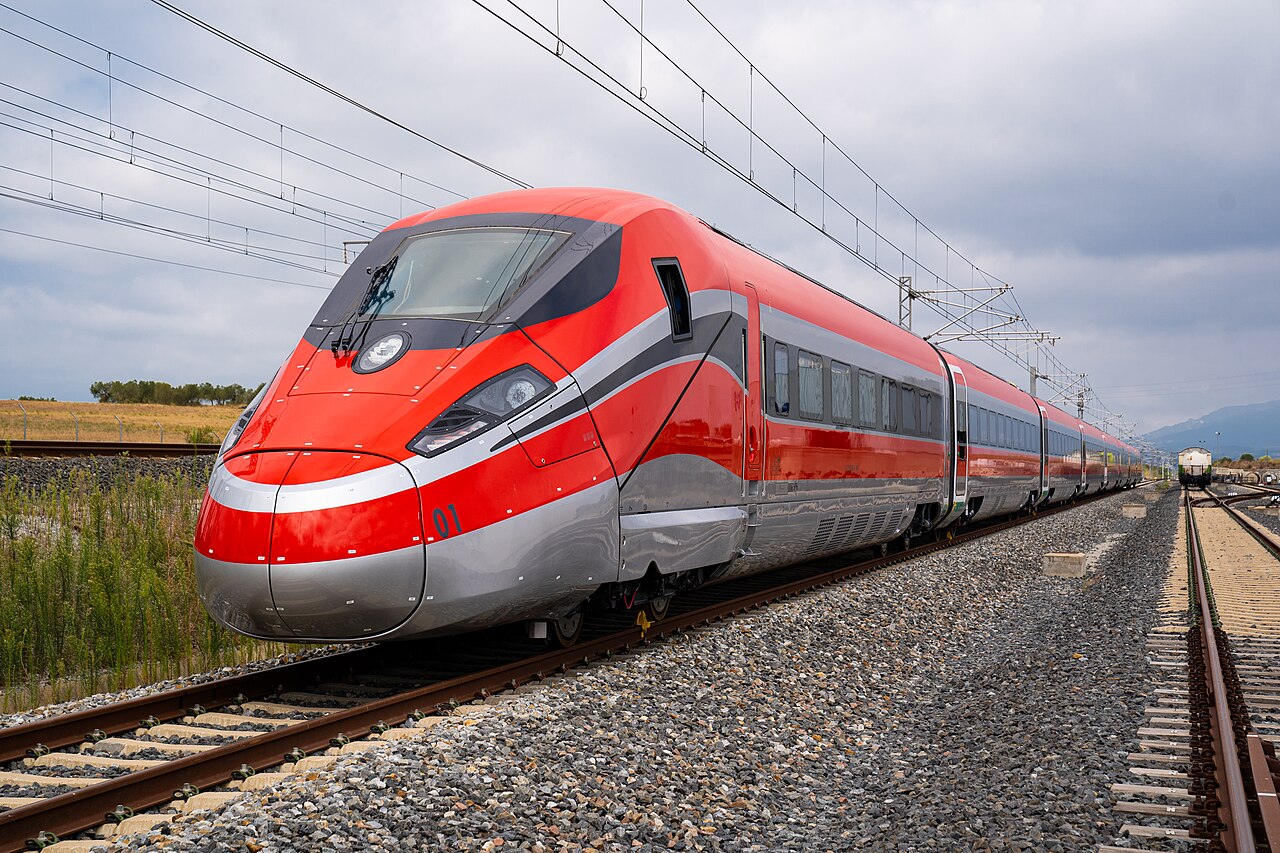
Sources: ABC News, CBS News, The Olive Press, SBS, ABC (Australia). The featured image is a file photo of an Iryo train and does not show the crash.