


SINGAPORE – July 13, 2026 — Global oil prices climbed more than 3% on Monday after renewed military exchanges between the United States and Iran heightened concerns over the security of energy supplies moving through the strategically important Strait of Hormuz.
Brent crude futures rose by more than 3% to trade above $78 per barrel, while U.S. West Texas Intermediate (WTI) crude also gained about 3%, reflecting growing investor concern that escalating tensions could disrupt one of the world’s busiest oil shipping routes.
The latest increase followed a weekend of intensified military activity in the Gulf region. Iran expanded strikes targeting Qatar and the United Arab Emirates after additional U.S. military operations against Iranian positions, fueling fresh uncertainty over the fragile security situation in the Middle East.
Although U.S. President Donald Trump said the Strait of Hormuz remains open to commercial shipping, Iran has maintained that it recently restricted passage after accusing a vessel of violating approved transit procedures. The conflicting statements have added to uncertainty in global energy markets, where traders continue to monitor developments closely.
The Strait of Hormuz is one of the world’s most critical maritime trade routes, serving as the gateway for a significant share of global crude oil exports. Any disruption to shipping through the narrow waterway has the potential to affect fuel prices, transportation costs, and inflation worldwide.
Shipping data showed that only a handful of commercial vessels transited the strait on Sunday, marking one of the lowest daily traffic levels in several weeks. Market analysts say prolonged disruptions could place additional pressure on global supply chains and energy markets if tensions continue to escalate.
Despite the latest surge in oil prices, some analysts believe financial markets remain cautiously optimistic that the current escalation will not develop into a broader regional conflict. Others, however, warn that the situation remains highly unpredictable and that further military action could trigger additional volatility in commodity markets.
Energy traders are also closely watching the future of the interim U.S.-Iran understanding announced last month, which was intended to ease tensions and restore commercial shipping through the Strait of Hormuz. Recent developments have raised fresh questions about the durability of those diplomatic efforts.
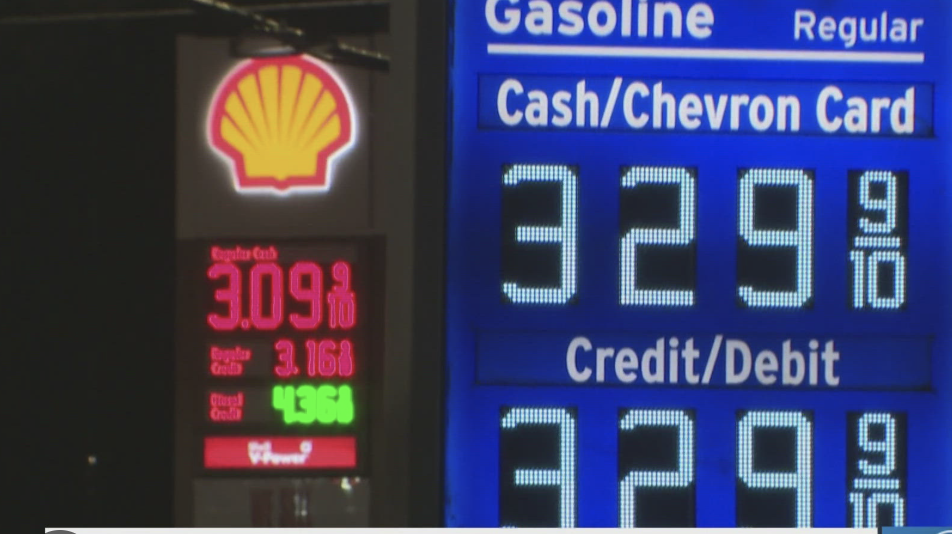
For consumers, higher crude oil prices could eventually translate into increased gasoline, diesel, aviation fuel, and shipping costs if the upward trend continues. Economists note that sustained increases in energy prices often contribute to broader inflationary pressures, affecting businesses and households around the world.
As diplomatic and military developments continue to unfold, global markets are expected to remain sensitive to any new announcements from Washington, Tehran, and regional governments. Investors will also be watching for signs that commercial shipping through the Strait of Hormuz can continue without further disruption.
Sources:
- Reuters
- International Energy Agency (IEA)